Mark Zuckerberg Testifies in Landmark Social Media Trial, Admits Struggles Enforcing Under-13 Instagram Ban
Meta CEO Mark Zuckerberg took the witness stand Wednesday in a closely watched trial in Los Angeles Superior Court. For the first time, he answered questions in front of a jury about whether Meta’s platforms, especially Instagram were designed in ways that harm children’s mental health.
The case, formally titled K.G.M. v. Meta Platforms, Inc., et al., centers on a 20-year-old California woman identified in court documents as K.G.M. She claims that using Instagram and YouTube starting at ages 9 and 10 led to an unhealthy dependency. Her lawyers argue that features such as infinite scroll, autoplay videos, algorithm-driven recommendations, push notifications, and beauty filters encouraged compulsive use. They say this worsened her depression, anxiety, body image issues, self-harm behaviors, and suicidal thoughts during her teenage years.
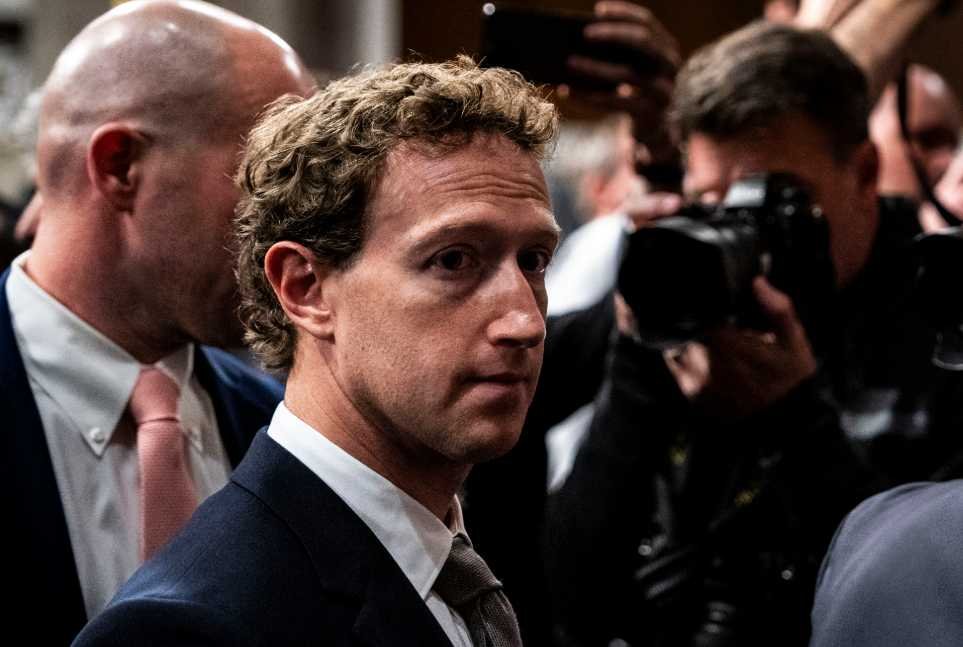
Zuckerberg arrived at the downtown courthouse with security as media gathered outside. Several parents who say social media harmed their children also attended the proceedings.
During his testimony, Zuckerberg faced questions about Meta’s efforts to protect young users. He acknowledged that it has been difficult to fully prevent children under 13 from joining Instagram, despite official age restrictions and the use of age-detection technology. Plaintiffs’ attorneys pointed to this admission as evidence that Meta’s safeguards are not strong enough.
Meta argues that it has invested heavily in child safety. The company says it has implemented age gates, parental supervision tools, screen-time controls, and content moderation systems. Meta’s lawyers also maintain that there is no scientific proof showing a direct link between Instagram use and clinical addiction or the specific harms alleged in this case. They suggest that other personal factors may have contributed to the plaintiff’s struggles.
Google, which owns YouTube, remains a co-defendant in the case. TikTok and Snap previously settled similar claims before trial. This lawsuit is one of more than 1,500 cases combined under California’s Judicial Council Coordination Proceedings. Legal experts see it as a test case that could shape future litigation.
Plaintiff attorney Mark Lanier described social media platforms as “digital casinos,” arguing they are designed to maximize user engagement, even if that harms young users. Jurors have reportedly seen internal company documents discussing goals to increase daily usage and research that recognized potential mental health risks for some teens.
Meta’s legal team disputes those claims. They argue that “social media addiction” is not a formally recognized medical diagnosis like substance addiction. They also emphasize that social media can provide connection, creativity, and support — especially for young people seeking community.
The trial is expected to last six to eight weeks. Future witnesses may include the plaintiff, additional executives from Meta and Google, mental health experts, and Instagram head Adam Mosseri.
If the jury rules against Meta, the company could face significant financial penalties. The case could also challenge the protections platforms receive under Section 230, which generally shields tech companies from liability for user-generated content. Even if Meta wins, the trial could still influence lawmakers and regulators debating stricter rules on social media design and child safety.
With parents, advocates, and industry leaders watching closely, the case is shaping up to be a defining moment in the ongoing debate over social media’s impact on children and teenagers.