After Losing Tariff Case, Trump Says Court Gave Him “Far More Powers”
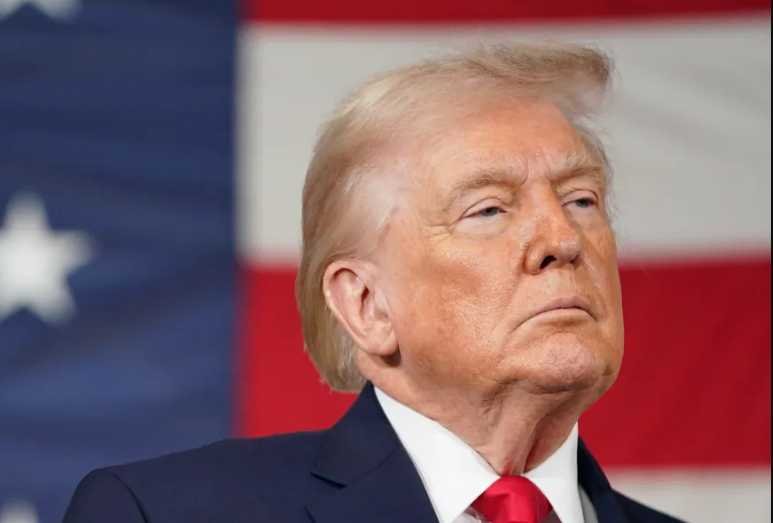
President Donald Trump said Monday that the Supreme Court’s decision striking down his emergency tariffs has actually strengthened his authority, arguing the ruling expanded his presidential powers rather than limited them.
In a post on Truth Social, Trump criticized the Court in unusually blunt terms, writing that the “supreme court” had “accidentally and unwittingly” given him “far more powers and strength” than he had before its decision. He said he would refer to the Court in lower case “based on a complete lack of respect.”
Trump argued that while the Court blocked his use of the International Emergency Economic Powers Act to impose sweeping tariffs, it left open other legal pathways he believes can be used more aggressively.
He suggested he could rely on licensing powers to penalize foreign countries, writing that licenses can be used to impose fees on nations he claims have been “ripping the U.S. off for many decades.”
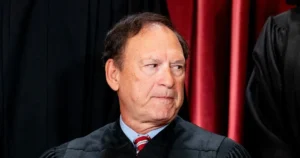
The remarks came days after the Supreme Court ruled 6-3 to strike down the broad tariffs Trump had imposed under the International Emergency Economic Powers Act, a 1977 law granting presidents certain emergency authorities.
In its opinion, the Court said tariffs require clear congressional authorization. “The President asserts the extraordinary power to unilaterally impose tariffs of unlimited amount, duration, and scope,” the majority wrote, concluding that the statute did not explicitly authorize such taxation powers.
The justices added that the law’s authority to “regulate importation” does not equate to the power to impose tariffs, noting that no previous president had interpreted the statute in that way.
Following Friday’s ruling, Trump announced a new 10% blanket tariff on all countries, saying many have taken advantage of the United States. He later raised the proposed rate to 15%, describing the move as part of a review of “new and legally permissible tariffs.”
The White House said the revised tariffs are scheduled to take effect Tuesday, setting the stage for a renewed legal and political battle over executive trade powers.