Ex-DOJ Pardon Lawyer Reveals How Trump Could Keep Himself Out of Jail
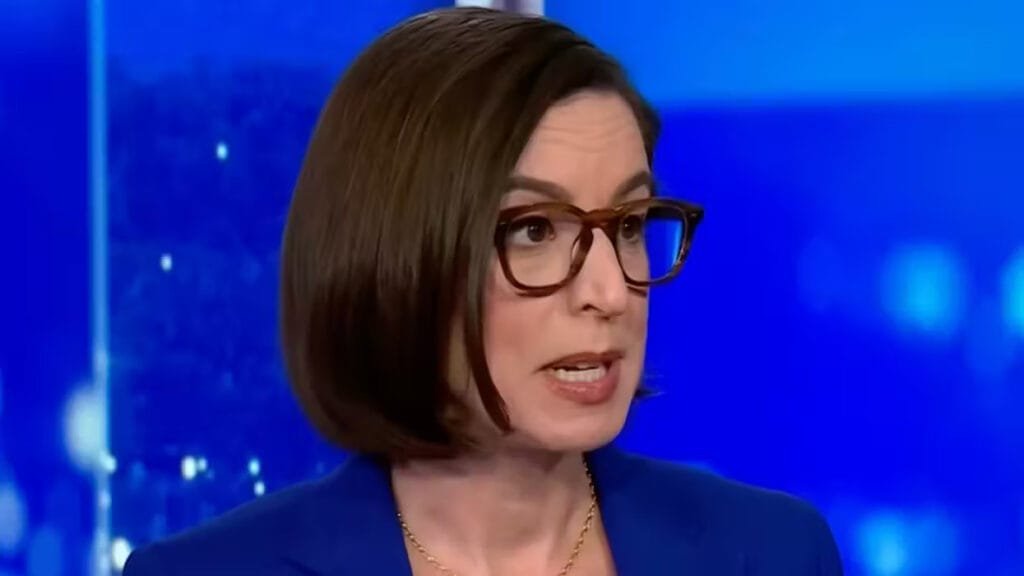
Liz Oyer (File Photo - Screengrab via CNN / YouTube)
Former Justice Department attorney Liz Oyer says it is highly likely that Donald Trump would use his presidential pardon power to shield members of his administration and potentially himself from legal consequences once his term ends.
Oyer served as a career DOJ lawyer focused on clemency matters from 2022 until early 2025. She was dismissed after declining to restore gun rights to actor Mel Gibson. Since leaving the department, she has appeared regularly in the media to provide legal commentary and critique Trump’s leadership.
Speaking on a recent episode of The Daily Beast Podcast, Oyer told host Joanna Coles that she believes Trump is likely to issue pardons to officials who could face legal scrutiny for actions taken while serving in his administration.
She suggested that such pardons may already have been prepared as a precaution.
“It wouldn’t surprise me if some of those pardons have already been drafted, signed, and set aside in case something happens to him,” Oyer said, adding that the goal would be to protect close aides and administration figures.
Trump previously stated in 2018 that he believed he had the “absolute right” to pardon himself, claiming that legal scholars supported that view.
However, a 1974 Justice Department opinion concluded that a president cannot pardon himself. The Supreme Court has never directly ruled on the issue, leaving the matter unresolved.
Oyer argued that Trump may never need to test that legal question. She pointed to a 2022 Supreme Court decision granting presidents broad immunity from criminal prosecution for actions taken as part of their official duties.
According to Oyer, that ruling makes it unlikely that Trump would face criminal charges for conduct carried out while in office, reducing the practical need for a self-pardon.
“There’s no definitive legal answer on whether a president can pardon himself,” she said. “But given the scope of immunity the Court has already recognized, he likely wouldn’t need to.”