Democrat Warns Attorney General Pam Bondi Could Face Prosecution if Epstein Files Aren’t Fully Released by Deadline
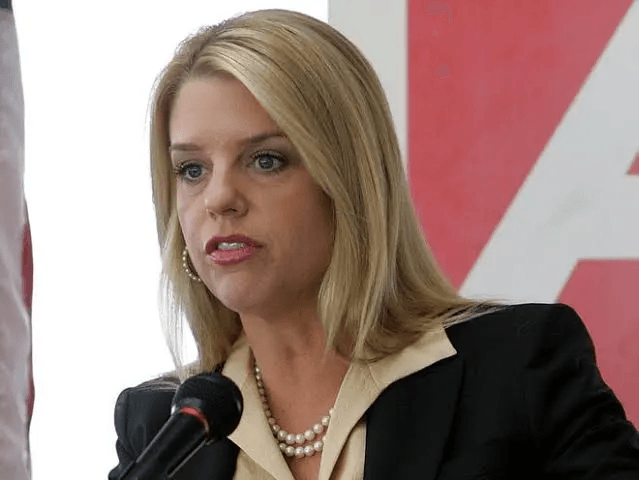
Attorney General Pam Bondi
Attorney General Pam Bondi is facing escalating pressure from Democrats as the deadline to release the full set of Jeffrey Epstein files approaches, with warnings that failure to comply could eventually carry legal consequences.
Rep. Ro Khanna, a California Democrat and chief sponsor of the Epstein Transparency Act, issued the warning Thursday evening in a video posted on X, just hours before the Justice Department’s 11:59 p.m. Friday deadline.
“Let me be very clear, we need a full release,” Khanna said. “Anyone who tampers with documents, conceals documents, or engages in excessive redaction will be prosecuted because of obstruction of justice.”
Khanna added that accountability would apply regardless of rank. “We will prosecute individuals whether they are the attorney general or a career or political appointee. We need full transparency and justice for the survivors,” he said, later reiterating in a written post that “any person who attempts to conceal or scrub the files will be subject to prosecution under the law.”
The congressman argued that “rich and powerful men” abused underage girls and that both perpetrators and those who helped cover up the crimes must be held responsible. His comments came amid mounting Democratic frustration over fears the Justice Department could heavily redact or delay the release.
While the Epstein Transparency Act mandates disclosure, the law itself does not spell out specific penalties if the Justice Department misses the deadline. Khanna acknowledged earlier this week that prosecutions would be unlikely under the current administration, but told NBC News that officials could still face legal exposure later, noting that statutes of limitation could extend into a future administration.
The legislation, which imposed a 30-day deadline expiring Friday night, was signed by Donald Trump after a rare bipartisan push in Congress forced the issue. The law allows for limited redactions, such as those protecting victims’ identities or active investigations, but explicitly bars redactions based on embarrassment, reputational harm, or political sensitivity.
Speculation has circulated that ongoing investigative activity could be used to justify withholding portions of the files, a concern Democrats have repeatedly raised as the deadline nears.
Pressure intensified further Thursday after the House Oversight Committee released another tranche of Epstein-related materials. Rep. Robert Garcia, the committee’s ranking Democrat, said the release included roughly 70 photographs provided by Epstein’s estate, featuring heavily redacted women’s passports, images of prominent men linked to Epstein, and what he described as “concerning text messages about recruiting women.”
The images were released without contextual details, but added to the political strain on the administration just days before the DOJ deadline. At the same time, a new investigation by The New York Times further intensified scrutiny, reporting—based on interviews with more than 30 former Epstein employees and victims—that Trump’s relationship with Epstein was closer and more prolonged than previously acknowledged.
According to the report, the two men’s association began in the 1980s and continued for years in New York and Florida, describing a social dynamic in which “female bodies were currency” and portraying Epstein as one of Trump’s most consistent companions at social events.
The Justice Department has been contacted for comment regarding Khanna’s warning and the status of the Epstein files but has not yet responded.