Are We Entering America’s ‘Fourth Turning’? Historians See an 80-Year Cycle of Crisis and Choice
A growing number of commentators are revisiting historian Neil Howe’s theory that the United States moves through roughly 80-year cycles of crisis — moments when the nation is forced to confront deep questions about democracy, power, and freedom.
In his book The Fourth Turning Is Here, Howe argues that each “fourth turning” arrives when inequality has widened, political power has concentrated, and public trust in institutions has eroded. At those points, Americans are pushed to choose between expanding democratic rights or sliding toward more authoritarian forms of governance.
Supporters of this view point to historical parallels. Around 1690, after the Glorious Revolution, colonial America began moving toward broader religious freedoms. Roughly 80 years later, tensions with Britain erupted into the American Revolution and the creation of a government based on popular consent.
Another 80 years on, the United States was plunged into the Civil War as the country confronted slavery and the survival of democratic governance. Eight decades after that, during World War II, the country faced both the shame of Japanese American internment and the global fight against fascism.
Today, some writers argue the U.S. may be entering another such moment. They cite rising political polarization, disputes over immigration enforcement, protests in major cities, and heated debates over executive power as signs of a new national inflection point.
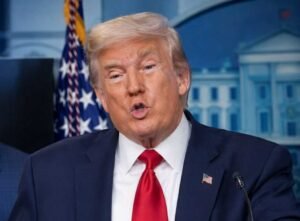
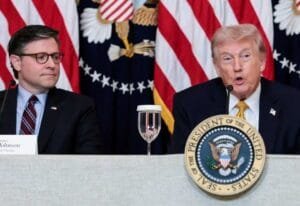
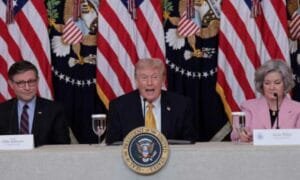
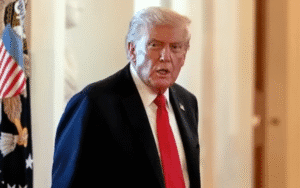
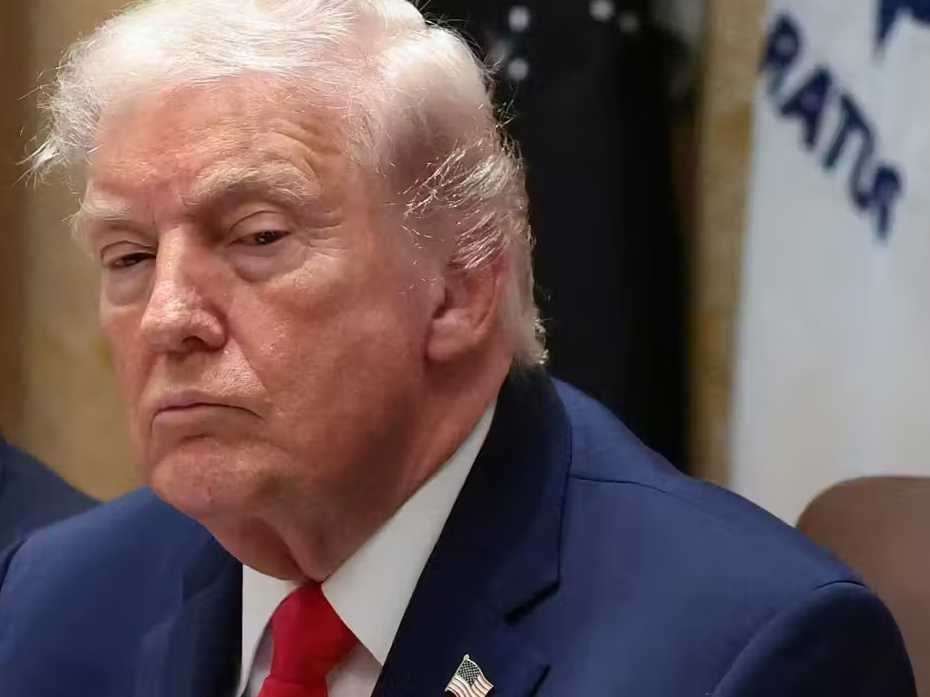
Critics of the current administration, including President Donald Trump, say aggressive federal enforcement actions and clashes with local governments echo earlier periods of unrest. They argue that questions about civil liberties, federal authority, and democratic norms are once again front and center in American life.
At the same time, others reject the historical comparison as exaggerated, noting that the U.S. political system remains intact, elections continue to be held, and courts are actively reviewing government actions. They argue that drawing direct lines between past crises and current politics oversimplifies both history and the present.
The debate has also extended into partisan politics. Some Democratic leaders have been criticized by activists for what they see as a muted response to recent federal actions, while others point to grassroots organizing and public protests as evidence of civic engagement and resilience.
Meanwhile, conservative voices argue that federal enforcement efforts are lawful responses to immigration and public safety concerns, and that accusations of authoritarianism are politically motivated rhetoric.
Whether or not the “fourth turning” framework ultimately proves accurate, the conversation reflects a broader sense among many Americans that the country is at a consequential moment — one that will shape how democratic institutions, civil rights, and political power evolve in the years ahead.