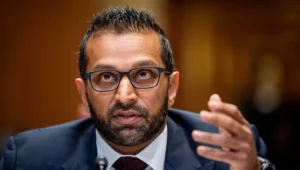
CBS Axes ‘60 Minutes’ Prison Abuse Investigation at the Last Minute After Trump Team Refuses to Comment
A planned 60 Minutes investigation into alleged abuses at a notorious El Salvador detention center was abruptly pulled just hours before airtime, triggering internal backlash and renewed scrutiny of editorial independence at CBS News.
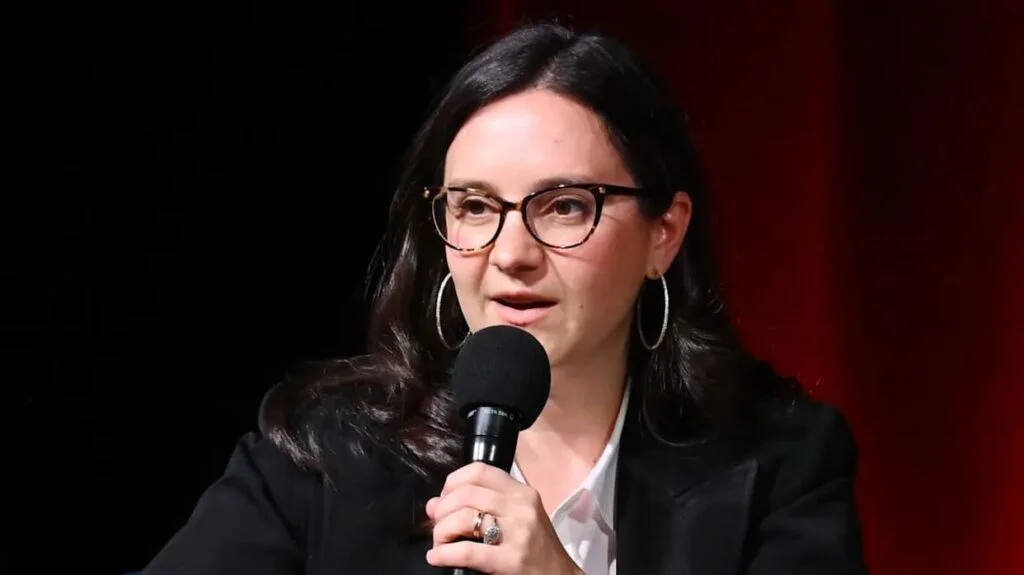
The segment, which focused on allegations involving CECOT, a high-security Salvadoran prison where the Donald Trump administration sent hundreds of Venezuelan migrants last March, was scheduled to air Sunday night. But CBS News Editor-in-Chief Bari Weiss halted the broadcast about a day and a half before it was set to run, citing the lack of an on-the-record comment from a Trump administration official, according to two people familiar with the decision.
Related DOJ Appears to Remove Trump Photo From Epstein Files After Release, Fueling Claims of a Cover-Up
The move sparked immediate internal dissent. Correspondent Sharyn Alfonsi, who reported the piece, wrote in an email to colleagues that the decision was “not an editorial decision, it is a political one,” warning that allowing government silence to block a story effectively gives officials a “kill switch” over investigative journalism.
CBS had already promoted the segment publicly. A press release issued Friday morning promised viewers a look inside “one of El Salvador’s harshest prisons,” citing claims by deportees of “brutal and tortuous conditions.” Both the promotional video and the original release were later pulled or revised, and CBS said the story would air at a later date.
Sources inside the network said the report had undergone extensive vetting, including reviews by senior producers, executives, legal counsel, and standards teams. Alfonsi noted that her team had sought comment from the Department of Homeland Security, the White House, and the State Department, but none agreed to participate.
The controversy comes amid a fraught relationship between CBS and Trump. As a private citizen, Trump sued CBS last year over the editing of a 60 Minutes interview with then–Democratic nominee Kamala Harris. Paramount’s prior ownership later paid Trump $16 million to settle the case, a move widely viewed by legal experts as unnecessary given Trump’s slim chances in court.
That settlement helped clear regulatory hurdles for the sale of Paramount Global to the Ellison family. Since the takeover, Weiss’s role has drawn close attention. She founded The Free Press, arguing that mainstream media often shows reflexive liberal bias, and has said news outlets must rebuild trust by engaging center-left and center-right perspectives.
The new ownership has also raised political questions. David Ellison, Paramount’s chief, reportedly assured regulators that CBS would become more hospitable to conservative voices. His father, Larry Ellison, is a longtime supporter and adviser to Trump.
Despite those assurances, Trump has continued attacking the network. This month, he blasted CBS and 60 Minutes on Truth Social after the show aired an interview with Rep. Marjorie Taylor Greene, accusing the network of worsening bias under new ownership.
The decision to pull the CECOT segment has heightened concerns among journalists about whether political pressure—explicit or implicit—is shaping editorial calls at one of America’s most storied news programs. CBS has said the report will air at a later date, but critics argue the delay itself underscores a troubling shift in how investigative journalism is handled under the network’s new leadership.