Tilray and Cannabis Stocks Slide After Trump Reschedules Marijuana Without Legalizing Recreational Use
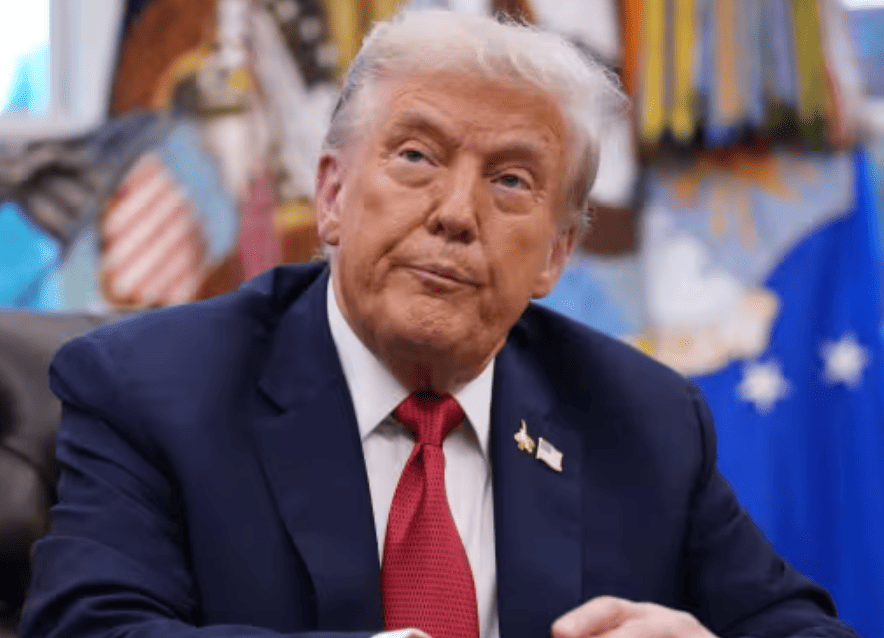
Donald Trump - The Newz Square
Cannabis stocks slid sharply Thursday after Donald Trump signed an executive order reclassifying marijuana under federal law, a move that fell short of legalizing recreational use and disappointed investors.
The order shifts marijuana from Schedule I — a category reserved for drugs deemed to have no accepted medical use — to Schedule III, which includes substances considered to have legitimate medical applications and a lower potential for abuse. Recreational marijuana sales, however, remain illegal at the federal level.
Speaking during a White House ceremony, Trump said the federal government now recognizes that marijuana has medical value “when carefully administered in some cases,” including as a potential alternative to opioid painkillers. He emphasized that the order “does not legalize marijuana” and “in no way sanctions its use as a recreational drug.”
Administration officials argued the reclassification will make it significantly easier for scientists to study marijuana, removing regulatory hurdles that have long slowed federally approved research into its medical effects.
The order also includes a new benefit for seniors. Mehmet Oz, administrator of the Centers for Medicare and Medicaid Services, said Medicare beneficiaries will be eligible to receive up to $500 per year in hemp-derived CBD products at no cost starting next April.
Despite those changes, markets reacted negatively. U.S.-listed shares of Canadian cannabis producers Tilray Brands and Canopy Growth reversed earlier gains, closing down about 4% and nearly 12%, respectively. Tilray later announced the launch of Tilray Medical USA, a new division focused on medical-grade cannabis products.
Investor disappointment was most visible in U.S.-focused cannabis stocks. The AdvisorShares Pure US Cannabis ETF plunged nearly 27% to $4.89 after initially rising earlier in the day, as traders concluded the order offered limited commercial relief.
While rescheduling may allow cannabis companies to deduct certain business expenses for tax purposes, analysts note it does little to address the industry’s biggest challenges, including access to banking services, national stock listings, and the ability to operate freely across state lines.
The cannabis sector has struggled for years as federal policy lagged behind state-level legalization. Investor enthusiasm peaked in early 2021 following the election of Joe Biden, but faded as federal reform stalled. The AdvisorShares cannabis ETF has fallen nearly 90% from its all-time high.
Trump’s decision also drew resistance from within his own party. Earlier Thursday, 26 House Republicans sent a letter urging him to block the reclassification, warning it would send “the wrong message” and could increase public safety risks. Despite the backlash, the administration moved forward, delivering a policy shift that reshapes medical access and research — but leaves the recreational cannabis industry waiting.